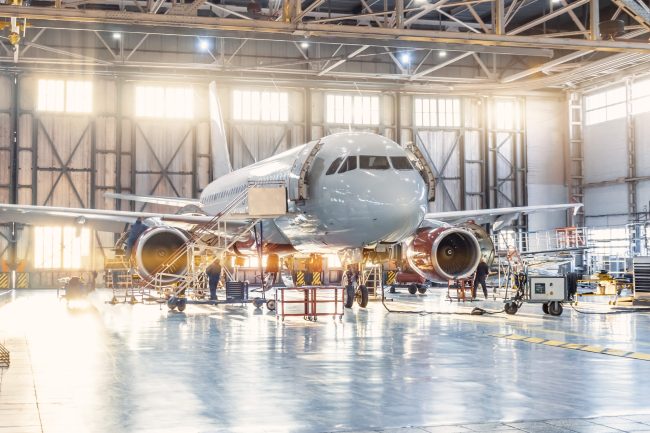
更强、更轻、更快:基于材料表征的航空航天工程轻量化
航空航天业正日益向轻量化方向发展,即在不牺牲机械强度、耐久性或性能的前提下,采用密度更低的材料。轻量化具有诸多优势,包括加快生产速度、提高能效以及改善可回收性。

航空航天业正日益向轻量化方向发展,即在不牺牲机械强度、耐久性或性能的前提下,采用密度更低的材料。轻量化具有诸多优势,包括加快生产速度、提高能效以及改善可回收性。
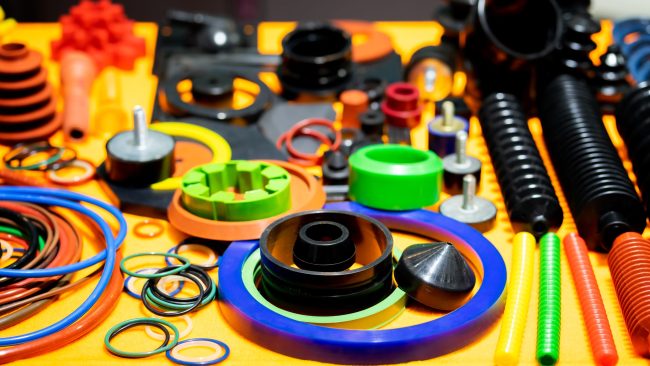
When it comes to selecting materials for your next innovative product, the material specification sheet is likely the first place that you will turn. This document provides core properties measured by the manufacturer and serves as an essential tool for supplier verification and new product development. However, while these sheets are reliable and provide a standard method for comparison, they often fail to tell the whole story.
Our world is brimming with viscoelastic materials: The dough you knead before baking a fresh loaf, the Silly Putty your toddler slaps against the wall, the rubber gaskets that create an airtight seal on an airplane door. Testing those materials by applying controlled deformations (strains) or forces (stresses) at various timescales, temperatures, and/or humidities allows for the optimization of properties and ensures durability and safety.
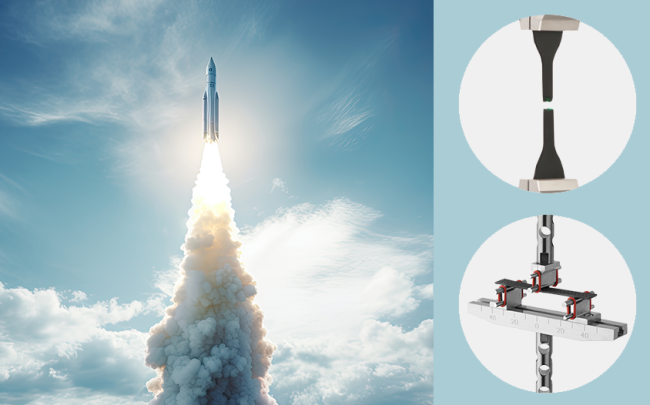
High-performance polymers are a critical material for manufacturers due to their combination of mechanical, thermal, and chemical properties, but especially their cost. Without adequate testing, manufacturers could run into a slew of issues, from immediate product failure to poor performance or failure after some time in usage.
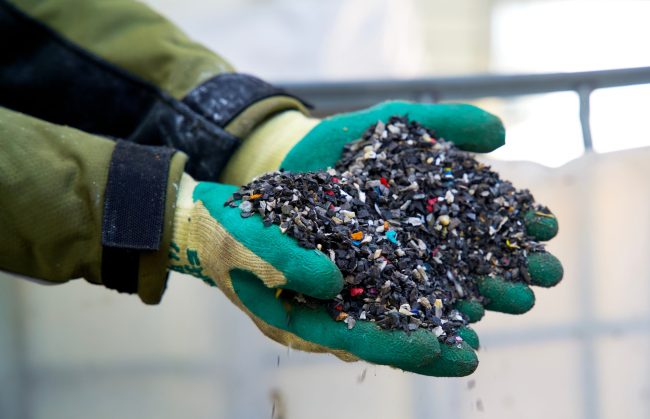
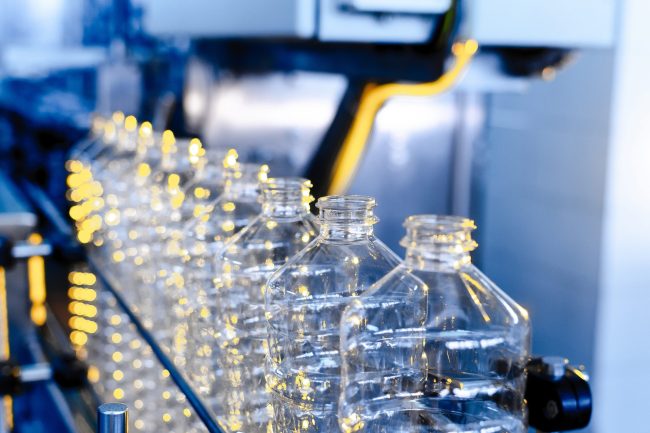
Against the backdrop of a plastic waste crisis, the global demand for plastic is set to quadruple by 2060. This has driven a shift toward sustainability and away from linear use models of plastic production. Post-consumer resin (PCR) has emerged as a key player in circular economy initiatives, though ensuring the quality and performance of PCR requires several characterization considerations.
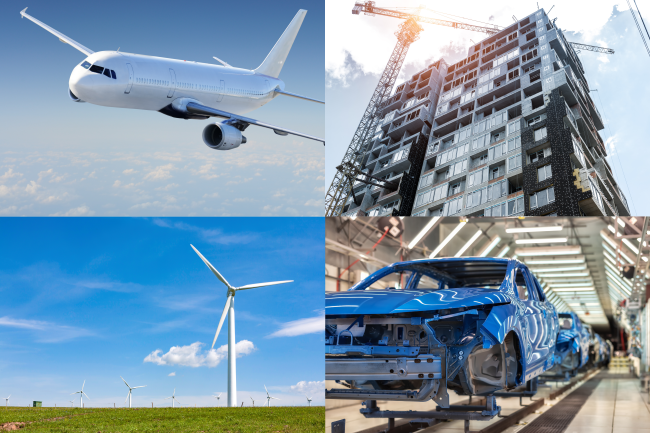
From material selection and failure analysis to end-use application, Dynamic Mechanical Analysis (DMA) offers crucial polymer insights. Polymer scientists and design engineers pair DMA with fatigue testing to gain a complete view of their material’s properties and performance attributes.
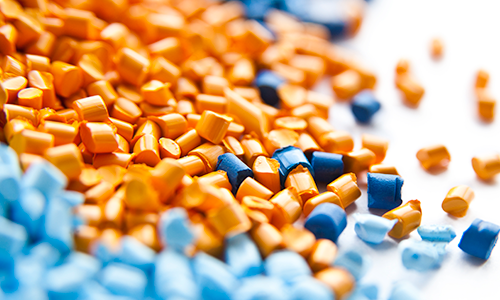
节省聚合物研究的时间存在多种益处,可通过不同的方式实现,包括减少操作员操作适应时间、提高研究通量以及获得准确和可重复的结果。此处的 3 种技术(流变、TGA 和 DSC)所提供的解决方案是可节省聚合物研究时间的 3 个机会。
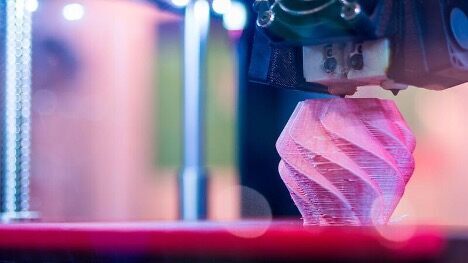
成功的增材制造产品取决于材料的特性和行为。流变可为安全、高效和可重现的聚合物制造提供有价值的信息。
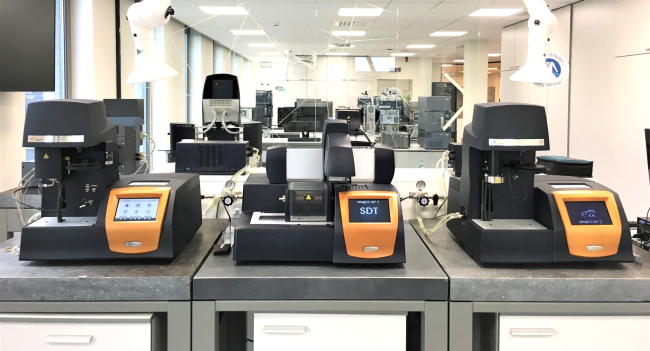
技术的发展日新月异。无论您是升级旧设备还是为您的工作台添加新技术,使用尖端仪器都一定会提高您实验室的效率和成果。新型仪器可提供更可靠的数据和更先进的功能,这对于始终立足于材料创新前沿而言至关重要。

水凝胶为三维多孔隙结构,能够吸收大量的水分。水凝胶可由聚合物、蛋白质、多肽、胶体、表面活性剂或者脂类物质产生。1 水凝胶具有超强的吸水能力,因此可应用于许多生物学领域,包括药物递送和组织工程。吸收水分后水凝胶的性质会发生改变,因此科学家们需要准确表征水凝胶在不同水饱和度以及在变化条件下的行为特性。

3D 打印也称为增材制造,许多行业都将其视为一种多功能制造技术。3D 打印可以实现快速成型和按需打印服务,以避免批量运行带来的潜在浪费。
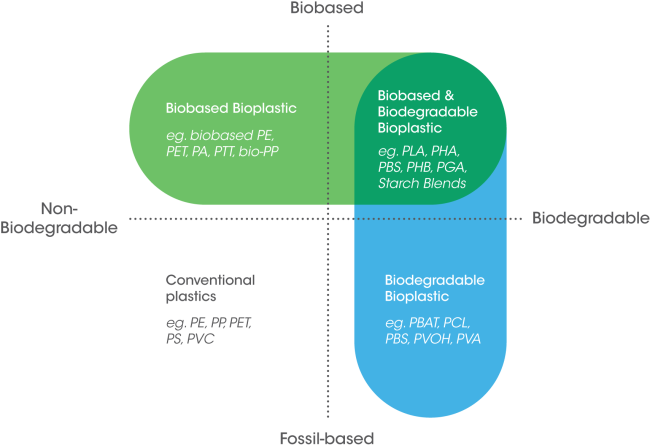
什么是生物塑料?塑料制造商如何利用它们来改善其产品的环境影响?面对如此多的新兴绿色技术,生产商和消费者需要区分洗绿1 和真正的进步。此外,如果一项新的发展被认为对环境有利,那么塑料供应链的所有阶段,尤其是加工厂,就必须学习如何在不损害其工艺或产品的情况下采用新技术。