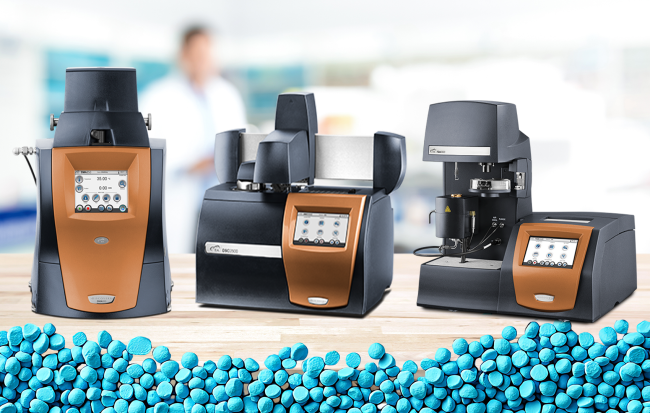
何时使用DSC、TMA或DMA测量玻璃化转变温度(Tg)。
如今的电池创新正不断突破极限,实现更高的能量密度、更高的功率以及更长的续航时间。然而,这些进步可能会带来严重的安全风险。在开放周期的早期阶段测量电池的安全性和稳定性,对于确保新设计在推进完整电池规模化量产前取得成功至关重要。

如今的电池创新正不断突破极限,实现更高的能量密度、更高的功率以及更长的续航时间。然而,这些进步可能会带来严重的安全风险。在开放周期的早期阶段测量电池的安全性和稳定性,对于确保新设计在推进完整电池规模化量产前取得成功至关重要。

点胶与流动特性对于多种电子制造工艺及材料至关重要。从焊膏与粘合剂的精确涂敷,到柔性电子和增材制造领域的新进展,流变学在提升加工性能、产品质量及制造一致性方面发挥着关键作用。
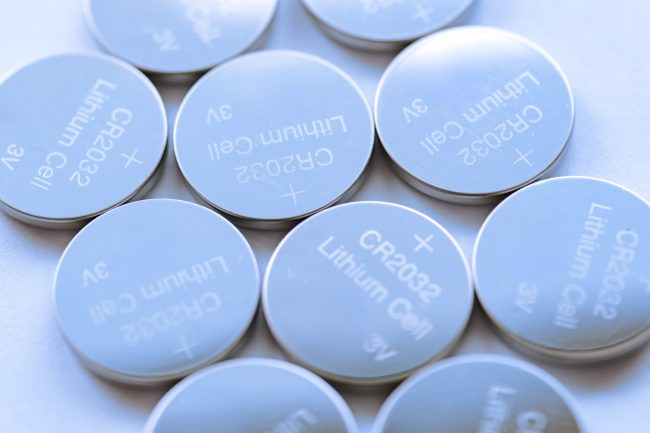
如今的电池创新正不断突破极限,实现更高的能量密度、更高的功率以及更长的续航时间。然而,这些进步可能会带来严重的安全风险。在开放周期的早期阶段测量电池的安全性和稳定性,对于确保新设计在推进完整电池规模化量产前取得成功至关重要。
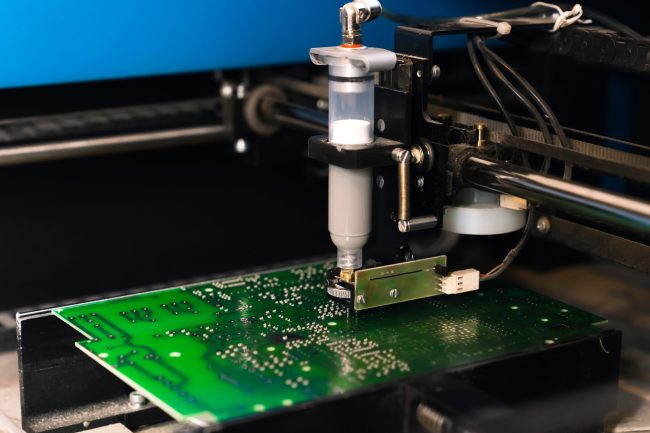
点胶与流动特性对于多种电子制造工艺及材料至关重要。从焊膏与粘合剂的精确涂敷,到柔性电子和增材制造领域的新进展,流变学在提升加工性能、产品质量及制造一致性方面发挥着关键作用。

航空航天业正日益向轻量化方向发展,即在不牺牲机械强度、耐久性或性能的前提下,采用密度更低的材料。轻量化具有诸多优势,包括加快生产速度、提高能效以及改善可回收性。

Powders are a big part of everyday life, from baking and laundry to cosmetics and pharmaceuticals. Understanding powder rheology—how powders flow and deform—is crucial for optimizing their use in various applications. This knowledge helps industries maintain consistency and product quality.
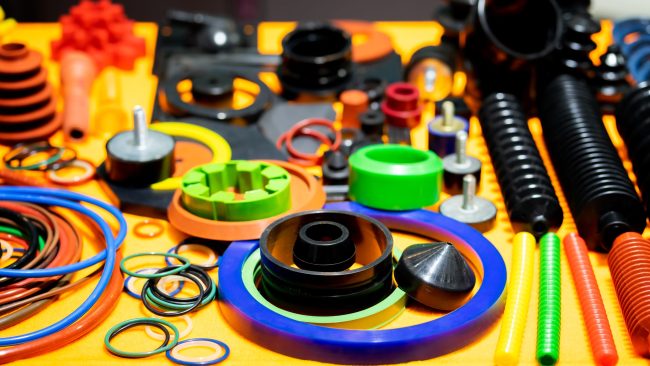
When it comes to selecting materials for your next innovative product, the material specification sheet is likely the first place that you will turn. This document provides core properties measured by the manufacturer and serves as an essential tool for supplier verification and new product development. However, while these sheets are reliable and provide a standard method for comparison, they often fail to tell the whole story.
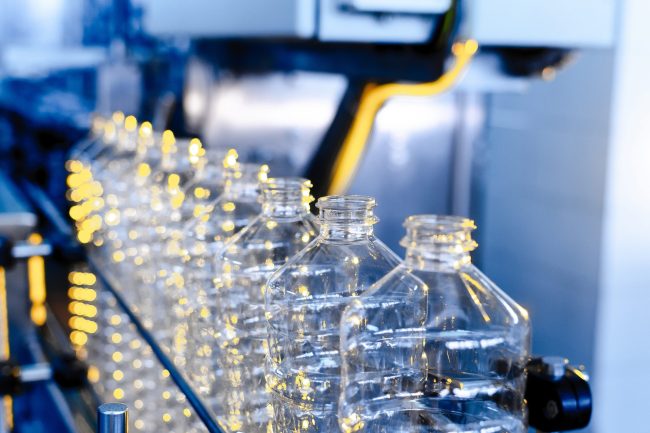
Our world is brimming with viscoelastic materials: The dough you knead before baking a fresh loaf, the Silly Putty your toddler slaps against the wall, the rubber gaskets that create an airtight seal on an airplane door. Testing those materials by applying controlled deformations (strains) or forces (stresses) at various timescales, temperatures, and/or humidities allows for the optimization of properties and ensures durability and safety.
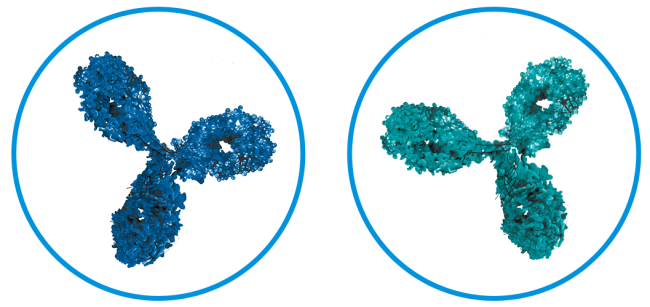
Biologic therapies derived from living organisms have revolutionized the treatment of complex diseases, yet their high development costs are often passed onto patients. Biosimilar drugs offer a promising solution to reduce costs while maintaining therapeutic efficacy. Unlike generic drugs, biosimilars cannot be exact replicas of their reference biologics due to their complex structures, necessitating rigorous testing and regulatory approval.

The composites market is evolving fast. Global market projections indicate a 10.8 % growth by 2028, driven by the demand for composites across industries looking for materials with superior performance at reduced weight and cost.1 This blog explores how advanced material analysis can enhance R&D and manufacturing processes in the composites market, ultimately leading to financial savings and increased efficiency.

The stability of high-concentration drugs can change under storage conditions, but until now, thermal testing in the lab using traditional calorimetry methods has been time-consuming and challenging. The new TA Instruments RS-DSC fills a critical antibody formulation development gap by allowing for high-throughput short-term thermal stability testing at formulation strength concentrations. In this blog, we explore why that’s essential.
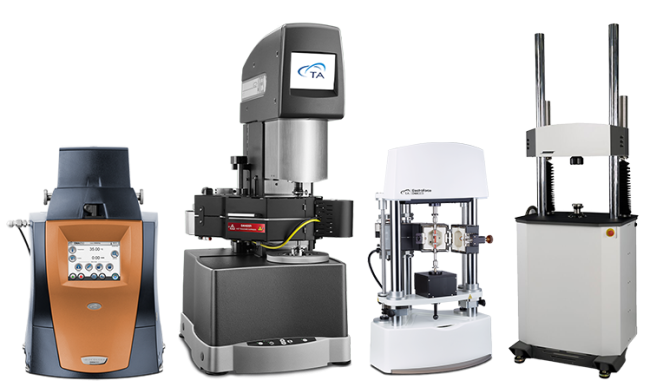
从医疗设备的塑料到轮胎的橡胶,我们使用的材料必须满足越来越高的要求。产品制造商和消费者希望他们的材料外观漂亮,性能好,成本低,同时对环境友好。如需满足上述需求,就必须深入了解从分子水平到实际机械性能的材料特性。由于影响材料特性的因素有很多,因此需要精确的测量工具和方法来确保材料满足应用的高期望值。在开发和生产的各个阶段,评估材料特性的一个关键测量和分析方法是动态机械分析(DMA)。